
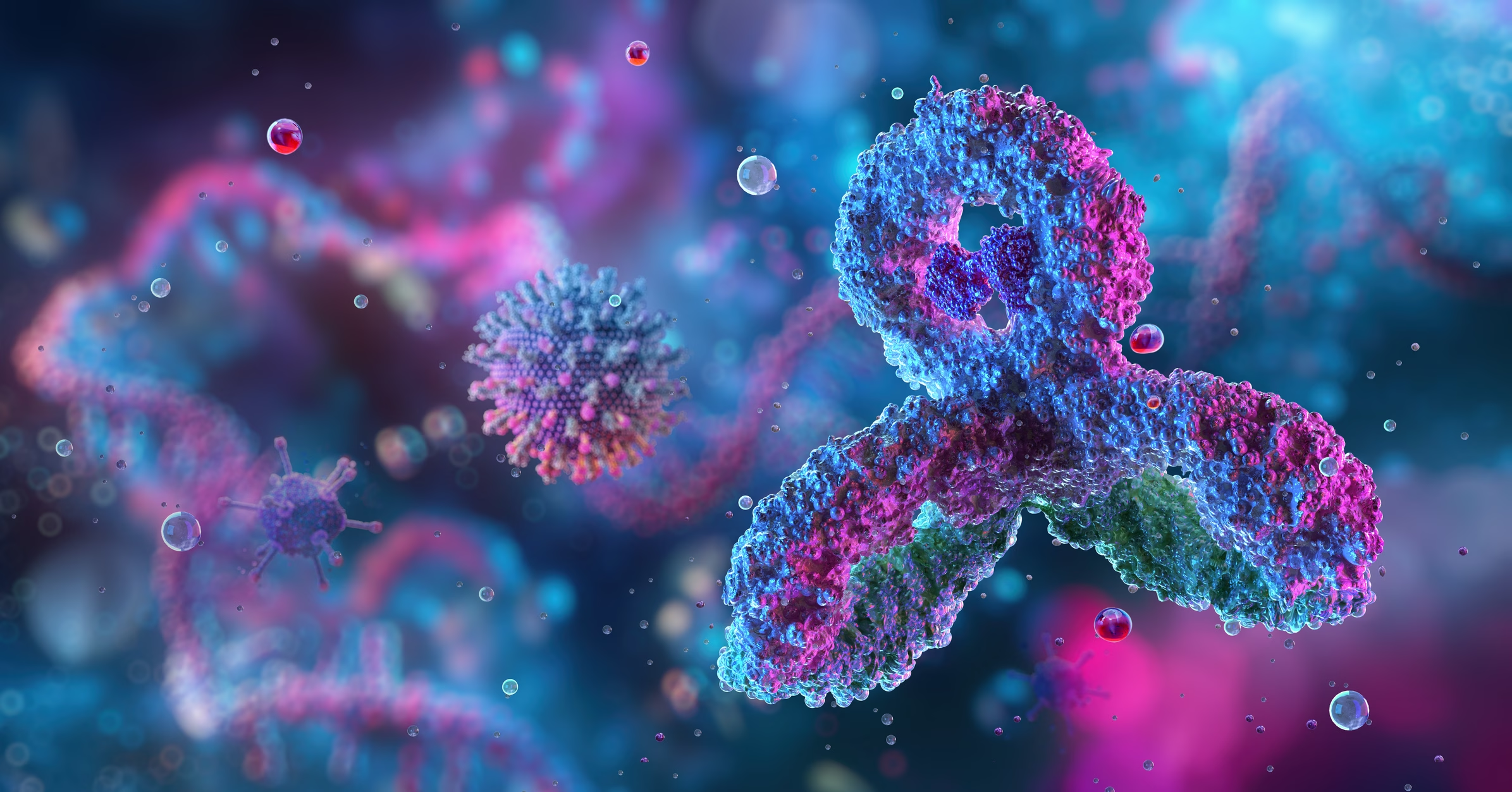
About PTNG Scientific
Our mission is to advance protein science through expert engineering and AI-driven innovation.
Insight-Driven. AI-Enabled.
The explosion of AI tools has rapidly advanced protein science. But tech only takes you so far.
In addition to the best of computational modelling, we bring decades of multi-disciplinary expertise to ensure your proteins function as desired.
We thrive on solving gnarly problems, providing a level of insight into the physics of protein structures and function that is more nuanced and integrated than a single program can provide.
In addition, we can connect our clients with a number of service providers/partners who are excellent resources in protein expression, binding assays, pharmacological assays etc.
Misbehaving proteins help no one. Let us help you.

How we work
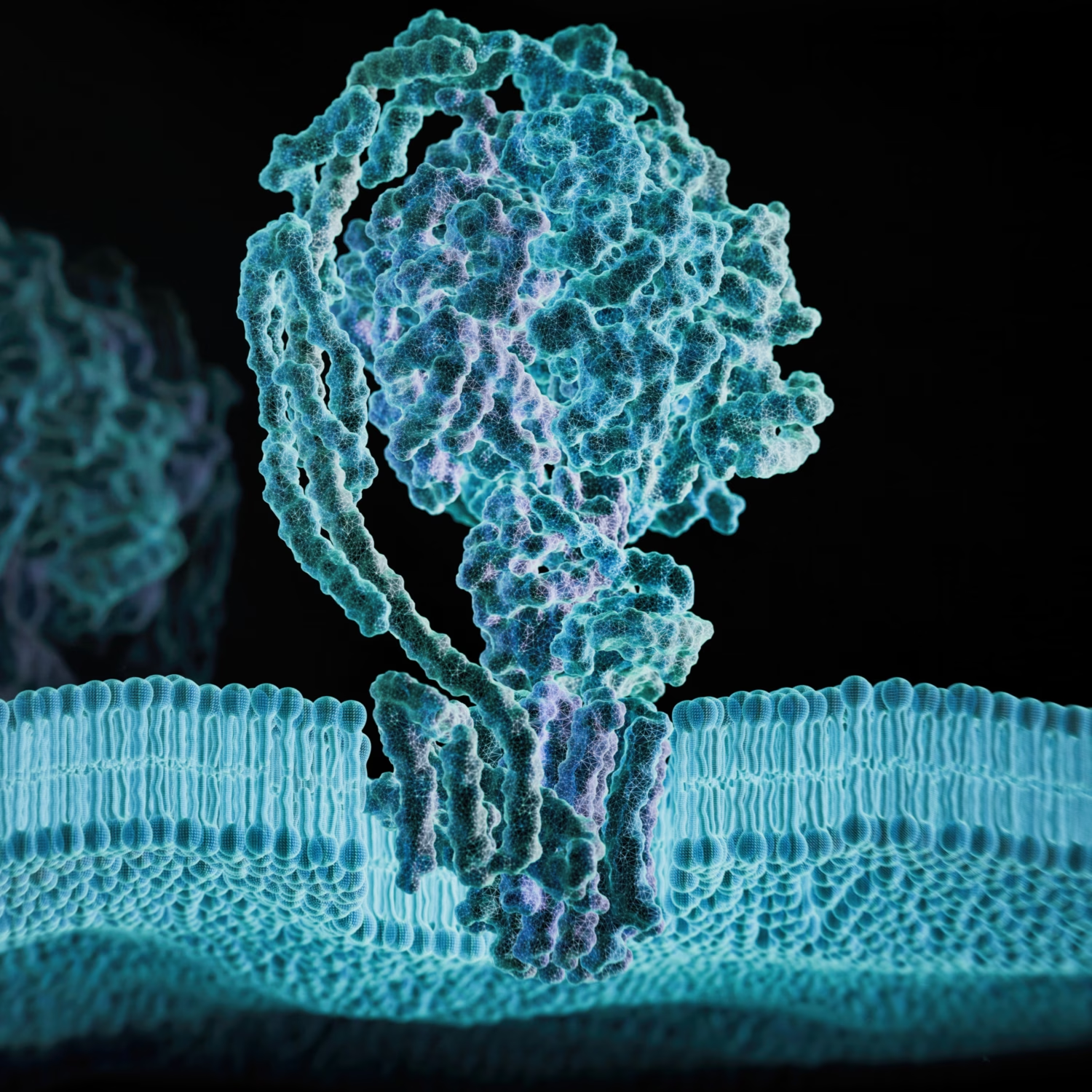
We avoid lazy assumptions. For each project we dive into the literature about the structures of the target or related proteins. From here we make structural predictions and create models using the best AI can provide, combined with our domain expertise in the biology and physics of protein chemistry.
Our advice is valuable to clients because it’s rooted in peer-reviewed science, best-in-class tools and practical, industry experience.
It doesn’t end there. Our technical reports are followed by one-on-one meetings (online) to answer questions, explain sections and give practical advice on best follow-up approaches.
Clients often book additional consulting calls on an hourly rate to discuss new experimental results or interpretations in light of the models and the structures we modelled.
“The most valuable outcome has been the greater scientific certainty we’ve gained. We now have a validated pharmacological framework for our formulations that allows us to move forward with a much higher degree of confidence. Beyond the data, the most valuable ‘asset’ was the clarity provided by PNTG’s analysis, which has directly informed our downstream development strategy.”
Jerome Sarris
PhD, CSO and Co-Founder of Neurala Biosciences





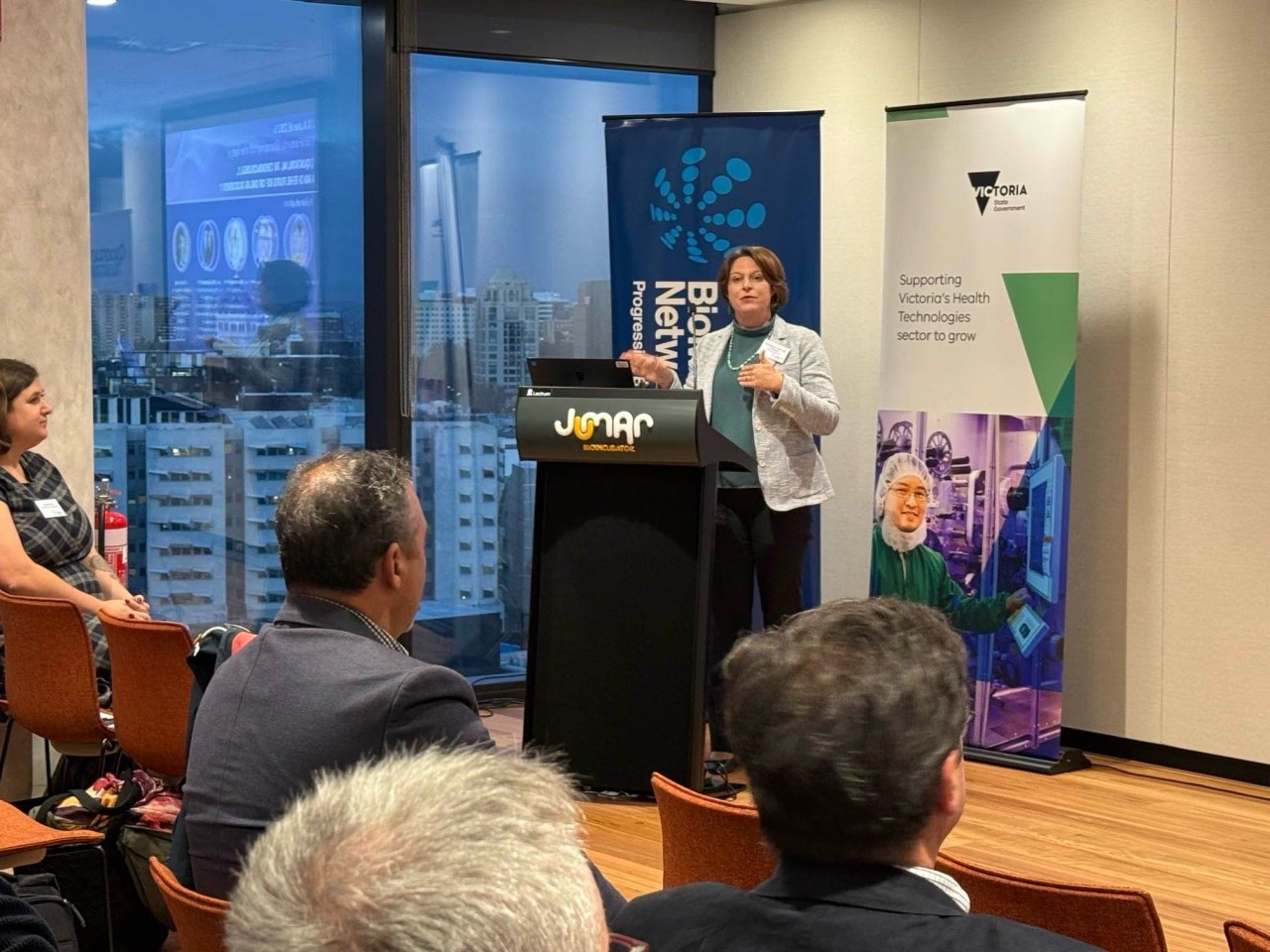
Bridging biology & artificial intelligence
Built for Translation
In 2020 Associate Professor Dr Ashley Buckle left his academic job leading a team of structural biologists first at Cambridge University, UK and then Monash University, Australia. Why? He had seen the impact AlphaFold2 made, transforming what is possible in computational protein engineering and wanted to bring this ability to the world of biotech discovery. He realised the need for protein optimisation and structural biology advise to fast-track biotech research. He was right.
So he started a company he called PTNG Consulting. A company that was designed to support clients with ProTeiN enGineering.
Simona joined the team in 2021 to provide the lens of applied biological applications, experimental protein expressions, cell signalling and molecular biology. Together they assembled a team of contractors that bring a variety of complementary expertise to the table.
In 2023 Simona took over the company as Managing Director when Ashley moved to San Diego to start his own biotech company Scudo Biosciences. Here he now engineers proteins that act as immune shields for cell and gene therapy. Meanwhile Simona and the team continue helping biotech and pharma companies make better proteins faster and more effectively and to discover the best small molecule drugs.
Fixing badly behaved proteins
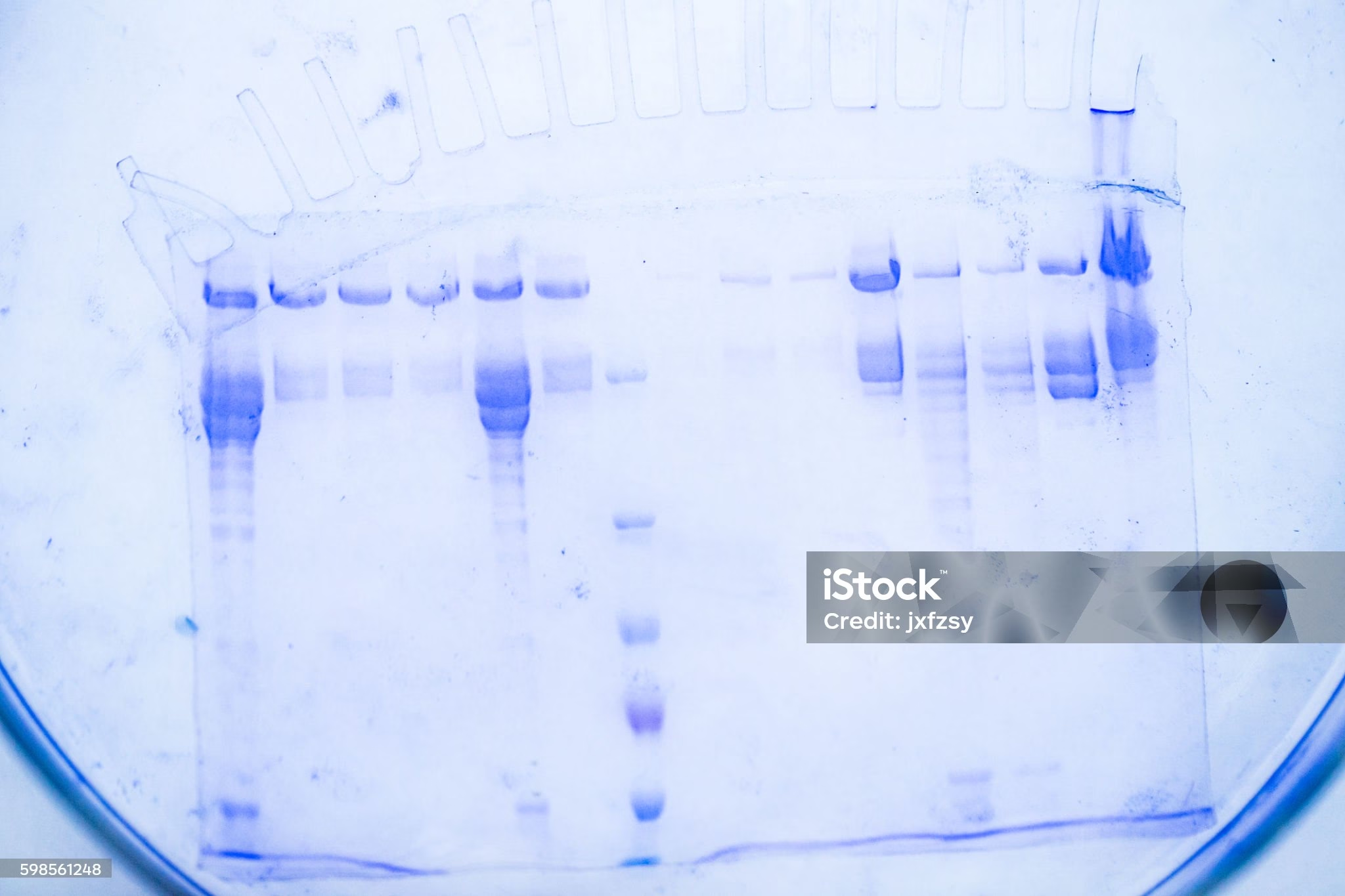
We understand your frustrations with proteins. They aren’t stable enough or express poorly, don’t bind at all or only bind with poor affinity or specificity. Seeing experiments fail over and over is incredibly frustrating and can lead to whole projects being discontinued.
Simona and the team have spent years in labs, frustrated by the same problems. It’s why we assembled a team with such depth fo expertise and empathy.
We bring the team of structural biologists, immunologists, cell biologists and the computational biology experts to identify what is actually going on with your protein on a molecular level. We have helped our clients identify exactly what changes need to be made to address their specific issues.
Our promise to you
We will never exaggerate what computational modelling can achieve and claim we can solve all your problems. Our analyses have helped clients understand exactly what issues are plaguing their projects.
A good protein structure model is based on experimental data and published knowledge. We’ve told interested teams outright that there is not enough reliable information to make computational modelling work well for them and that they are much better off performing experiments first.
In true Australia style we give it to you straight.